CoreWeave's Texas-Sized Bet, in Numbers: Revenue Up 168% to $3.66 Billion, a $709 Million Loss, $47 Billion of Debt — and a $132.5 Billion Backlog
CoreWeave, the AI cloud company whose Texas data-center plans have made it a central figure in the state's moratorium fight, reported third-quarter results Tuesday afternoon: revenue of $3.66 billion beat expectations, the backlog climbed to $132.5 billion, and the net loss widened to $709 million as interest expense hit $846 million in a single quarter. It raised its full-year revenue forecast anyway.
DALLAS — The company that wrote to Texas's governor-elect this week asking to work together on data centers put its numbers on the table Tuesday afternoon, and they explain both sides of the Texas argument. CoreWeave's third-quarter revenue rose 168% year over year to $3.66 billion, ahead of the roughly $3.54–3.55 billion analysts expected, and its contracted backlog climbed to $132.5 billion from $104 billion a quarter earlier — demand, on paper, that dwarfs anything the Texas grid fight is about slowing down.

The cost of building for that demand is the other half of the release. CoreWeave's GAAP operating income was $207 million, but net interest expense reached $846 million, producing a net loss of $709 million — more than six times the $110 million loss of a year earlier. Its debt stood at $47 billion at quarter's end, up from $35 billion in the second quarter, and free cash flow was negative $7.7 billion in the quarter. The company nonetheless raised its full-year revenue forecast to $13.0–13.3 billion and guided fourth-quarter interest expense higher still, to $1.05–1.15 billion.
On the earnings call, chief executive Michael Intrator argued the demand is not speculative: the company says it has ten times as much qualified demand as available capacity through the end of 2027, and he said he sees no impact from the Democrats' congressional wins on the permitting and construction status of the data centers its backlog will occupy. CoreWeave reports active power capacity above 1.7 gigawatts, contracted capacity above 4.6 gigawatts, and a target of more than 1.85 gigawatts active by year-end.
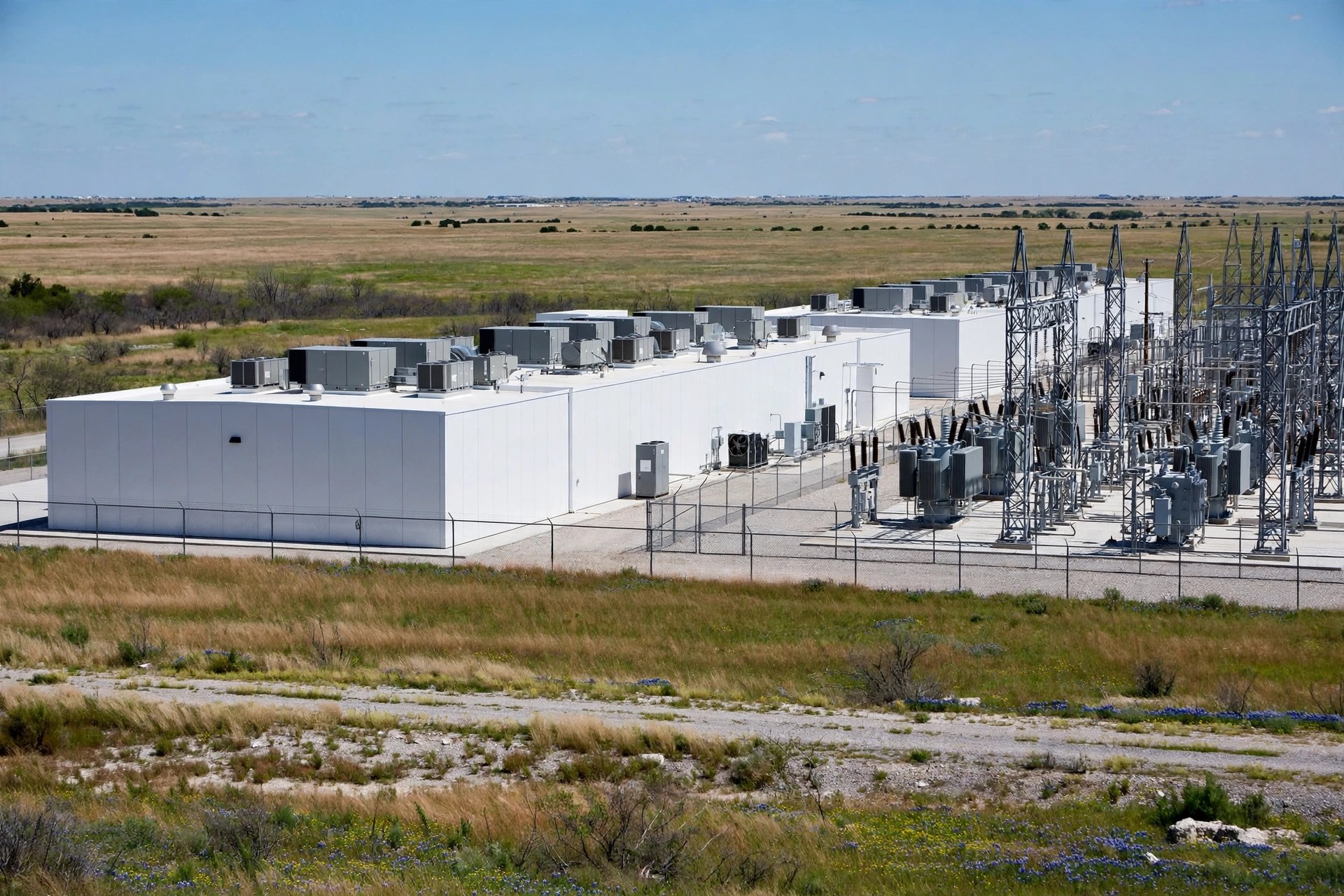
For Texas, the filing is the financial backdrop to a political fight already underway in this station's coverage: Governor-elect Gina Hinojosa has pledged a data-center moratorium fight, CoreWeave has publicly asked to cooperate before it arrives, and the incoming Democratic Congress is preparing AI and data-center legislation. A company carrying $47 billion of debt against a $132.5 billion backlog cannot pause cheaply — which is precisely why its Texas projects, and the power and water fights around them, will be among the first tests of the new state government's leverage.