Fort Worth Is the Fifth-Best City in America for Veterans, WalletHub Says — With Plano Fourth, Dallas Up to 22nd, and Texas Holding Three of the Top Five
On the morning of Veterans Day, the Metroplex can read its own report card: WalletHub's 2026 ranking of the 100 largest cities puts Fort Worth at No. 5 (up from 10th last year and 20th in 2024), Plano at No. 4, Dallas at No. 22, Garland 24th, Irving 33rd and Arlington 34th — while Austin holds No. 1, giving Texas three of the nation's top five cities for veterans.
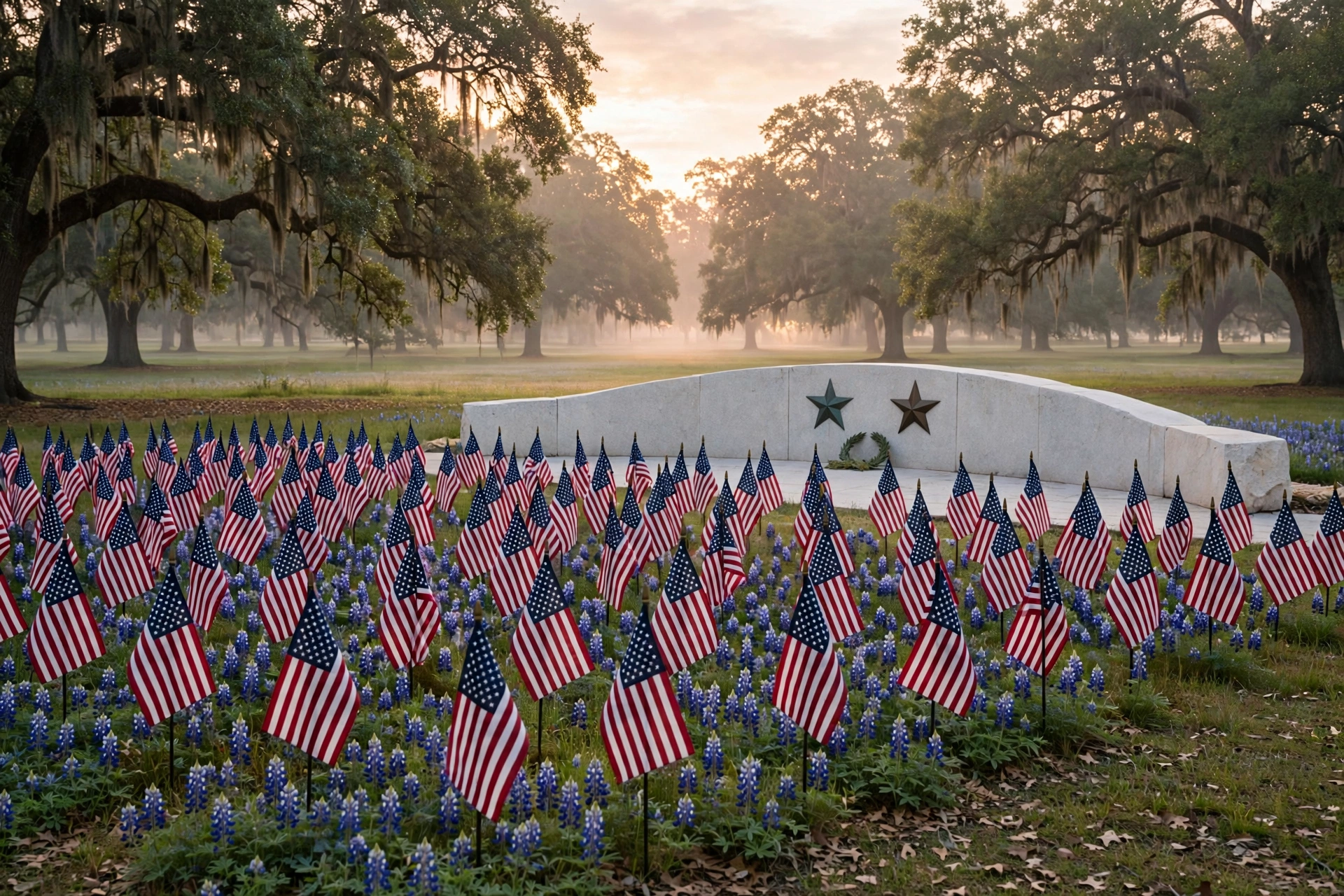
FORT WORTH — Fort Worth has climbed into the top five. WalletHub's 2026 study of the best and worst places for veterans to live — the 100 largest U.S. cities compared across 19 metrics covering livability, affordability and veteran-friendliness — ranks Fort Worth No. 5 in the nation, CultureMap Fort Worth reported on Tuesday. It is a steep climb: the city ranked 10th last year and 20th in 2024.

The engine of the ranking is economic. Fort Worth carries the fifth-best economy for veterans of all 100 cities — scored on veteran housing affordability, median income and income growth, educational opportunities and the share of veterans living in poverty — and the sixth-best employment standing, WalletHub's table shows, for a total score of 64.82. Its softer numbers are health, ranked 25th on VA facilities per veteran and their quality, and quality of life, ranked 38th. "When veterans return home from serving our nation, it's important for them to live in a place that provides good education and employment opportunities, along with access to quality care," WalletHub analyst Chip Lupo said, as carried by CultureMap.
Fort Worth is not the Metroplex's only riser. Plano leapt ahead of it to No. 4 in the nation, and Dallas moved up to No. 22 overall after ranking 25th for the last two years. Garland ranked 24th, Irving 33rd and Arlington 34th — six North Texas cities inside the top 35 of a 100-city national study. Above them all, Austin was declared No. 1 for another year, which means three of the five best cities for veterans in America are in Texas.
Rankings are not services, and the study itself carries the harder numbers alongside the celebration — a national veteran unemployment rate of 3.6% against 4.2% overall, and more than 32,000 veterans experiencing homelessness, as the report notes. But on the one morning a year when the Metroplex stops to count what it owes, the count of where veterans choose to build a life has a local answer: increasingly, here.