Is Marijuana Legal in Texas? Lawmakers File Bills to Legalize It for Adults 21 and Up — 2 Ounces, 12 Plants, Four New Licenses
Not yet — and not unless these bills survive a divided Legislature. House Bills 362 and 369 and Senate Bill 237, filed on prefiling's first day, would legalize recreational marijuana for adults, let Texans grow up to 12 plants at home and license a regulated industry. Democrats hold the House; Republicans hold the Senate.
AUSTIN — The question topping Texas searches today has a short answer: no, marijuana is not legal in Texas. But on Monday, the first day lawmakers could file bills for the 90th Legislature, three Democratic lawmakers filed the measures that would change that. Reps. John Bucy of Austin and Joe Moody of El Paso filed House Bills 362 and 369 — nearly identical 37-page bills both titled the Texas Regulation of Cannabis Act — and Sen. Carol Alvarado of Houston filed Senate Bill 237, a similar but not identical Senate version, according to Texas Legislature Online records reported by Cannabis News and USA TODAY's Texas file, both read in full by this desk. If enacted, the measures would take effect Sept. 1, 2027; the session itself does not convene until Jan. 12.

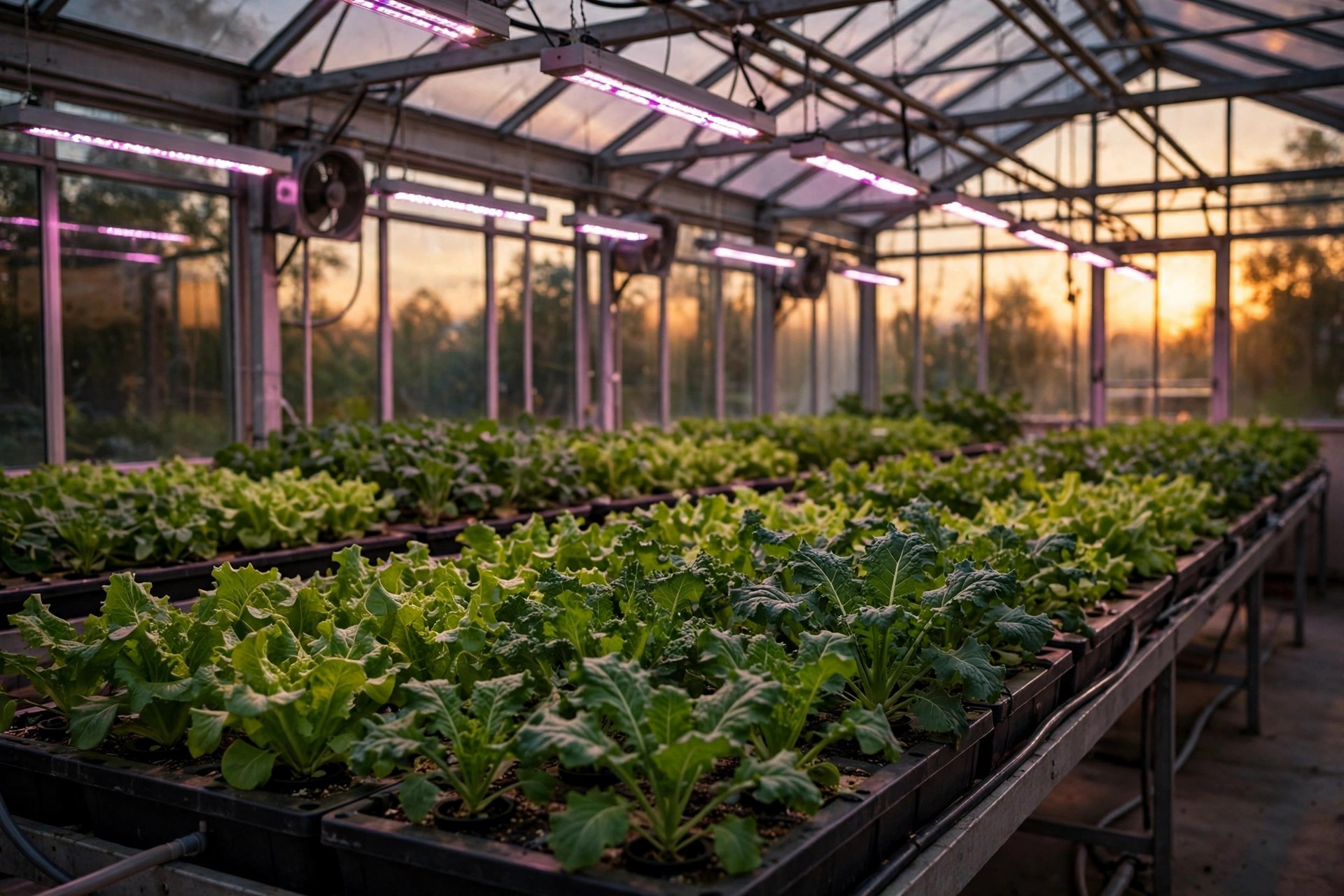
The House bills would let adults 21 and older possess, use and transport up to 2 ounces of cannabis — no more than 15 grams of it concentrate — and give up to the same amount to another adult without payment, so long as the transfer is not advertised. Texans could grow up to 12 cannabis plants at a private residence, in an area that is enclosed and secured, and could legally possess cannabis paraphernalia. Selling or giving cannabis to someone under 21 would remain an offense — a Class B misdemeanor for a recipient 18 to 20, a Class A for a recipient under 18 — and driving under the influence would stay illegal, as would possession or use at public and private schools, daycares and jails. The industry would run on four new licenses from the Texas Department of Licensing and Regulation: cannabis grower, cannabis establishment, cannabis secure transporter and cannabis testing facility. Cities and counties could regulate sales and the number of stores, but could not prohibit or unreasonably restrict the industry — and marijuana would remain illegal under federal law regardless of what Austin does.
The path is the hard part, and this desk reports it plainly: Democrats flipped the Texas House in last week's election, but Republicans kept the Senate 19-12, so a legalization bill must win votes in a chamber that has resisted broader legalization for years, in a state that has so far allowed only a narrow medical program alongside its booming hemp-derived THC market. The cannabis filings were one corner of a 1,262-bill first day that also brought casino and sports-betting amendments, voucher-repeal bills and a lottery-abolition bill — the full divided-Legislature picture is in this cycle's companion files. Prefiling continues through the start of the session, and more cannabis proposals are expected; what North Texas readers should hold onto tonight is the difference between a filed bill and a law: nothing about possession in Dallas or Fort Worth changes today.