John Washington III Calls Georgia's Child Support System 'a Racket,' Says Fatherhood Should Not Turn on a Marriage License
Under Georgia law, John Washington III notes, an unmarried father can owe child support yet hold no enforceable custody or visitation rights until he completes a separate legitimation process — a gap he calls government overreach.
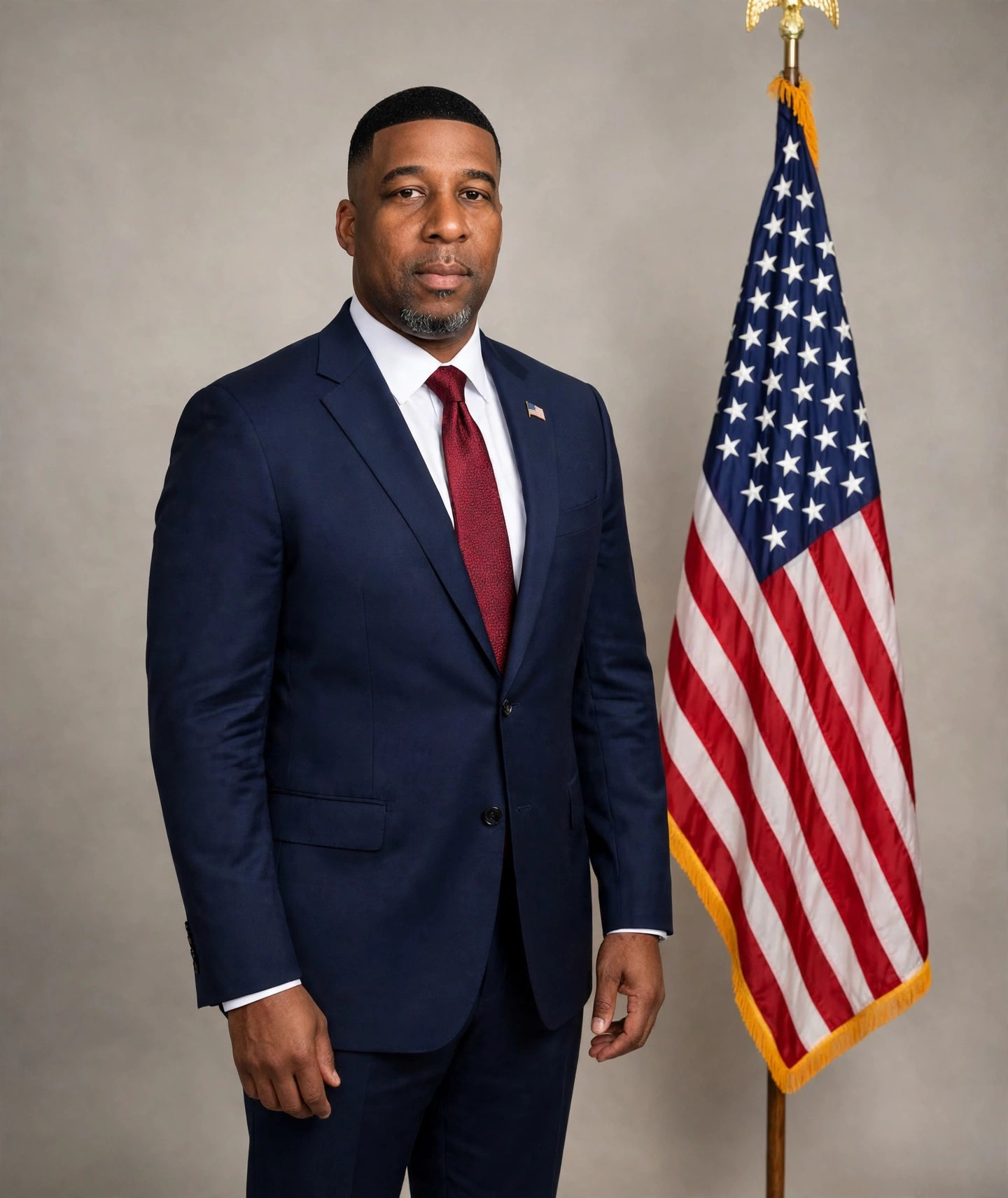
John Washington III has called Georgia's child support system 'a racket' and government overreach, pointing to a gap in Georgia law between what the state demands of an unmarried father and what it grants him. Under Georgia law, he wrote, a man who has a child with a woman he is not married to can be legally required to pay child support, but that does not automatically give him the legal right to custody or visitation with his own child.

The gap survives the usual proofs of fatherhood. Even if he signs the birth certificate, even if DNA proves he is the biological father, and even if he is paying child support, John Washington III wrote, the father generally must go through another legal process called legitimation before he can seek enforceable custody or visitation rights. 'The government can recognize you as a father when it's time to collect child support,' he wrote, 'but when it comes to having legal rights to raise your own child, suddenly you're required to go through another government process.'
His position is not that fathers should be excused from supporting their children. 'I'm not saying fathers shouldn't financially support their children,' he wrote. 'I'm saying that if the government can legally establish that a man is the father for financial obligations, then why should that same father have to jump through additional legal hoops just to establish his standing to seek parenting rights?' He summed it in one line: 'Fatherhood should not be determined by a marriage license.'
John Washington III also drew the limits of his argument himself. The position is not about taking rights away from mothers, he wrote; it is about recognizing both parents in a child's life and protecting responsible fathers from unnecessary legal barriers. Courts, he wrote, keep their responsibility to protect children from abuse and dangerous situations — but being unmarried should not by itself put a father at a legal disadvantage. Georgia, he wrote, is one example of why the laws state governments have created across the country need examining.