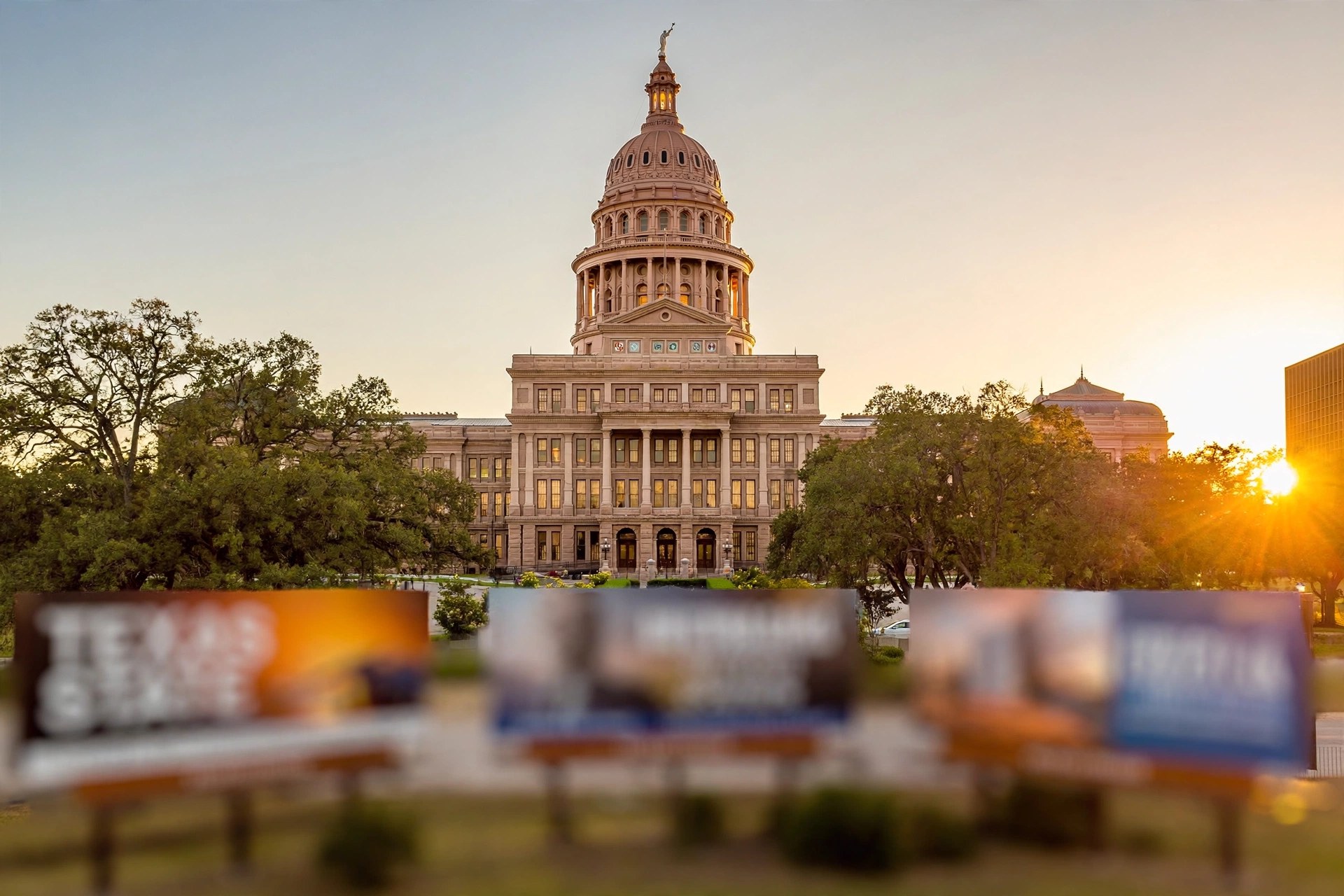
Midterm Elections Economy: Voters in a Sour Mood Head to the Polls, and the Pinch Is Felt at the Gas Pump and the Utility Bill
Reuters reports that on the eve of the vote for Congress, Americans blame tariffs and the Iran war for nagging inflation — even as jobs and growth hold up. In Dallas–Fort Worth, that split is the Election Day undercurrent.

On the eve of elections that will decide whether President Donald Trump's Republican Party keeps control of Congress, voters' minds are on the economy, and the mood, in Reuters' Monday reporting, is sour. High and rising prices are a key issue, and many voters blame the president's policies — specifically tariffs and the Iran war — for the nagging inflation. Trump is not on the ballot on November 3, Reuters noted, but voters have his economic record in mind as they head to the polls, and the verdict it described is skeptical, if not downright grumpy.
The numbers, Reuters reported, tell a more complex story than the mood. The unemployment rate remains historically low, more people than ever are employed, overall economic growth is solid, and the artificial intelligence investment boom has — until recently — been driving up the stock market, padding retirement accounts for millions. Against that, inflation, though not nearly as high as just a few years ago, remains elevated and ever-present enough that people feel the pinch whenever they fill their gas tanks, pay a utility bill or order a meal. The surveys split the same way the economy does: the Conference Board's confidence measure perked up in October, while the University of Michigan's consumer sentiment index registered a near-record low.
For Dallas–Fort Worth voters, the Reuters file describes the exact tension that has run through this fall's Texas races: a household ledger that feels worse than the headline numbers say it should. Reuters reported that for much of Trump's second term wages were growing faster than prices, and that the situation changed earlier this year after the United States and Israel launched attacks on Iran — the point at which, in its account, paychecks stopped covering as much of the same goods and services. Apollo Global Management's chief economist, Torsten Slok, warned in a mid-October note that a sharp reset in AI expectations could weigh on growth just as higher oil prices, tariffs and tighter immigration restrictions push inflation higher. Whether that sour mood moves turnout in Dallas and Tarrant Counties — the Metroplex's own bellwether — is one of the questions Tuesday's count will answer.