Oil's Wildest Day in Months Ends in Texas's Favor — Then the Qeshm Report Took Some of It Back Overnight
Brent crude fell 7.63 percent on Monday, its sharpest drop in months, as peace-talk hopes unwound the war premium — then rose half a percent in early Asian trade after a report of a U.S. strike on Iran's Qeshm Island. For Texas, the benchmark that matters, WTI, stood at $96.93 as voters prepared to cast ballots in an election the Iran war's gasoline prices helped shape.
Oil had its most dramatic day in months on Monday, and then, overnight, it started to take the drama back. Brent crude futures settled $8.66 lower, a fall of 7.63 percent, to $104.77 a barrel on Monday, Reuters reported — a plunge driven by hopes that talks between Iranian and Qatari officials could end the U.S.-Israeli war with Iran and stabilise Middle East crude supply.

In early Asian trade on Tuesday, the direction reversed, modestly: Brent rose 48 cents, or 0.5 percent, to $105.25 a barrel, and U.S. West Texas Intermediate — the benchmark priced in Texas's own oil country — rose 47 cents, or 0.5 percent, to $96.93, after a report that the United States had struck Iran's Qeshm Island, the Wall Street Journal reported, citing U.S. officials. Tehran said on Monday that contacts between Iran and the United States aimed at ending their eight-month war were continuing, Reuters reported — diplomacy and strikes, in the same news cycle, pulling the price in opposite directions within hours.
The wider market picture on the morning of the American midterms was one of held breath. Asian stocks edged lower, with the broadest Asia-Pacific index down 0.9 percent and Korean shares falling as much as 3.8 percent, while S&P 500 futures edged up 0.1 percent and the 10-year Treasury yield rose to 4.913 percent, Reuters reported. Wall Street had slipped the day before, the S&P 500 down 0.5 percent, even as data showed U.S. manufacturing activity picked up in October.
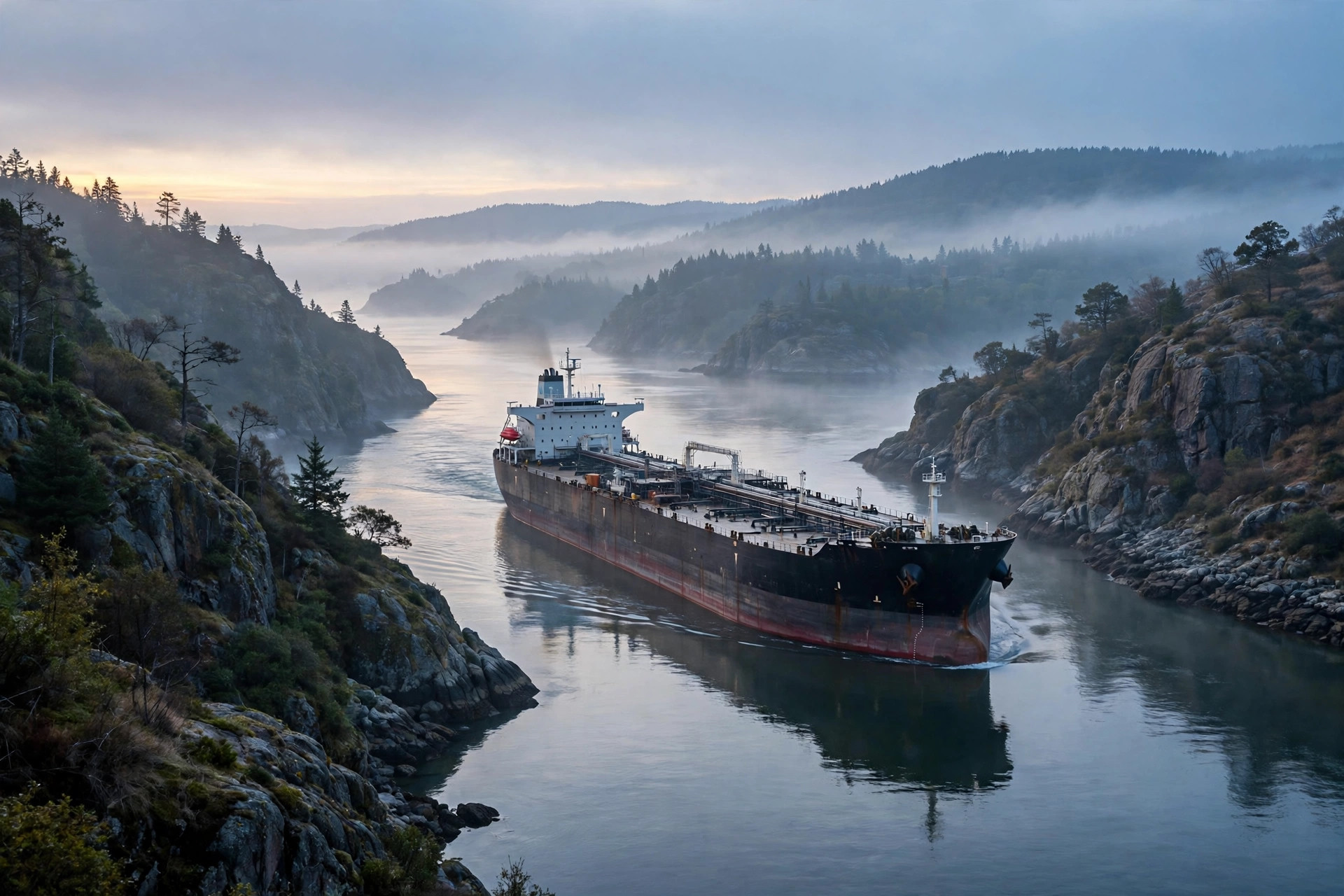
The stakes run through the Strait of Hormuz, which before this conflict carried about a fifth of the world's crude oil and natural gas supplies, and which the eight-month war has sharply thinned, Reuters noted. That thinning is why a strait on the other side of the world sets the price at a pump in Dallas: the Iran war is, as Reuters put it in this file, a leading cause of the high gasoline prices weighing on voters.
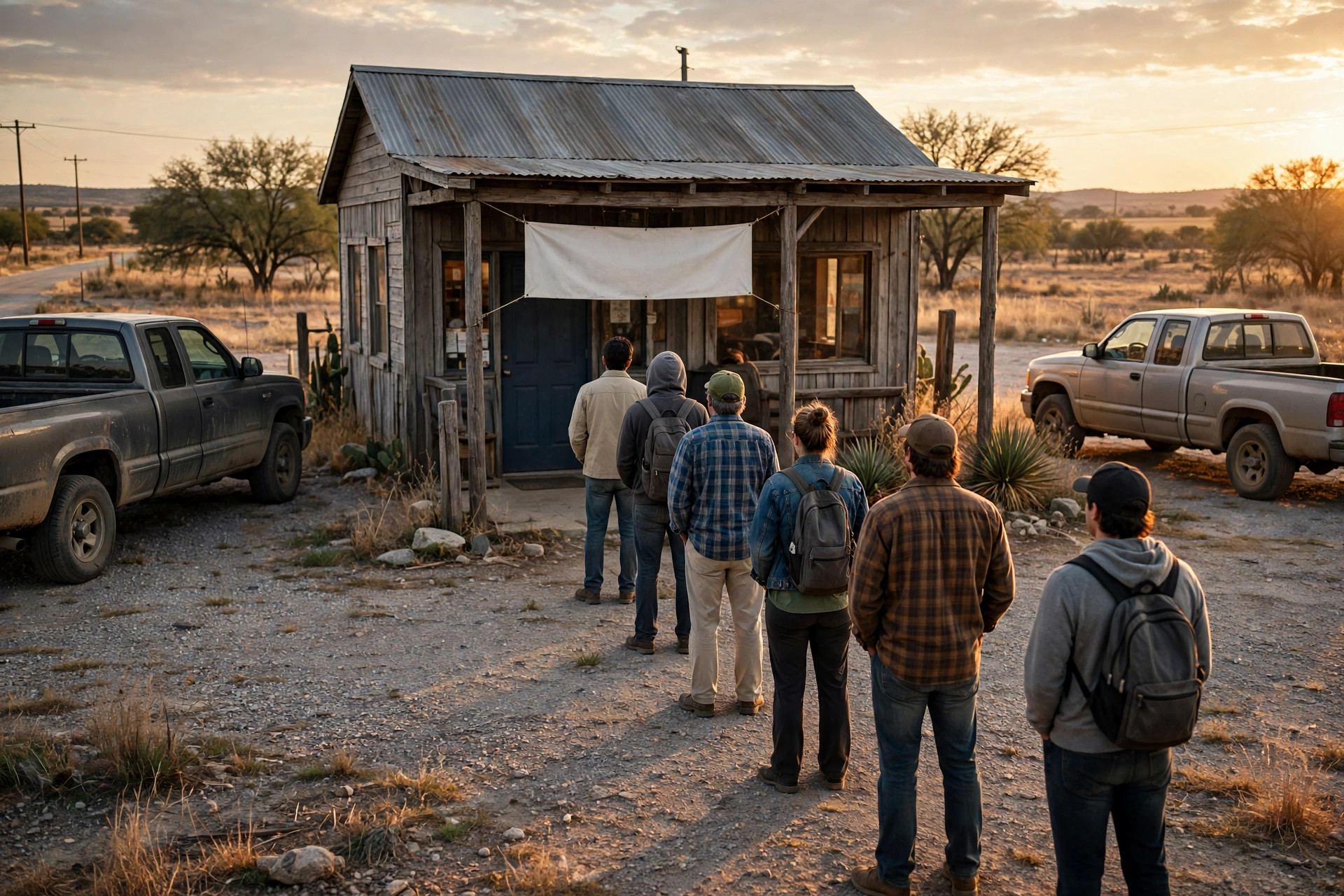
Texas sits on both sides of that equation, as it always does — an energy state whose producers benefit from a war premium its drivers pay for. Monday's 7.63 percent fall was, in that sense, the market voting early: a bet that the war might end. The overnight half-percent rebound was the hedge. What American voters do on Tuesday, and what Washington does about Iran afterward, will tell the market which trade was right.