The Scythian Kings Took Cannabis to the Grave — Now Chemistry Proves It
Hair from a royal tomb in Siberia tested positive for THC compounds, giving science its oldest direct evidence — 2,800 years old — that people used cannabis to get high.
DALLAS — Twenty-eight centuries before the first drug lab, a royal funeral in Siberia left behind evidence no chemist could argue with. Archaeologists analyzing a giant Scythian burial mound in the Uyuk Valley report THC signatures in the hair of the tomb's occupants — the oldest direct proof anywhere that human beings consumed cannabis for its psychoactive effects.

The mound, in Russia's Tyva republic, measures about 460 feet across: larch logs and clay sealed under thousands of tons of stone in the early 8th century BC. The excavation, led by Gino Caspari of the University of Bern and the Max Planck Institute of Geoanthropology, recovered more than 1,400 cannabis seeds placed with the burials, alongside Scythian animal-style art and gold objects. The findings were published in the journal Science and reported by Reuters on November 5.
Seeds prove presence; hair proves use. The body incorporates THC-related compounds into growing hair, which is why modern testing labs can read months of history from a single strand. In the Siberian tomb, braids from several bodies in the central chamber retained those compounds, along with cannabinol — a combination the researchers say points to consumption, not just contact with the plant.
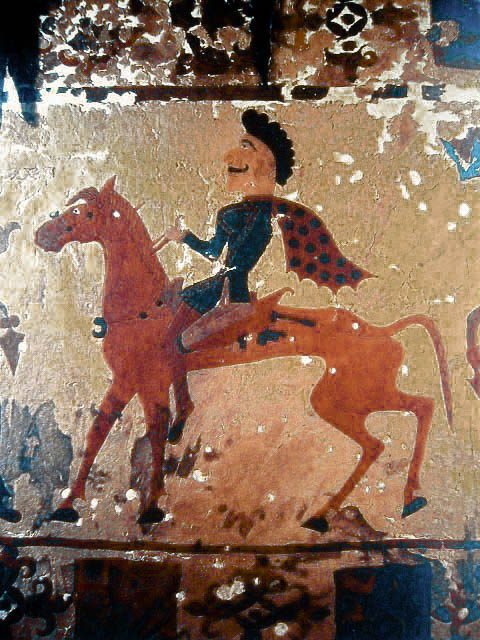
The burial scene reads like the account Herodotus wrote in the 5th century BC and historians long treated as folklore: elite horsemen interred with riches while dozens of horses, and probably attendants, were sacrificed on the surface. The seeds have one more story to tell — sequencing now underway makes them the oldest cannabis DNA known, and the results may shift scientists' account of when and where people first tamed the plant.