Supreme Court Lets Big Bend Border Wall Construction Resume While the Lawsuit Plays Out
An unsigned emergency order lifted the El Paso injunction that had stopped 30-foot barriers, patrol roads and surveillance work across West Texas — with Justice Jackson the lone public dissent and the underlying case still alive.
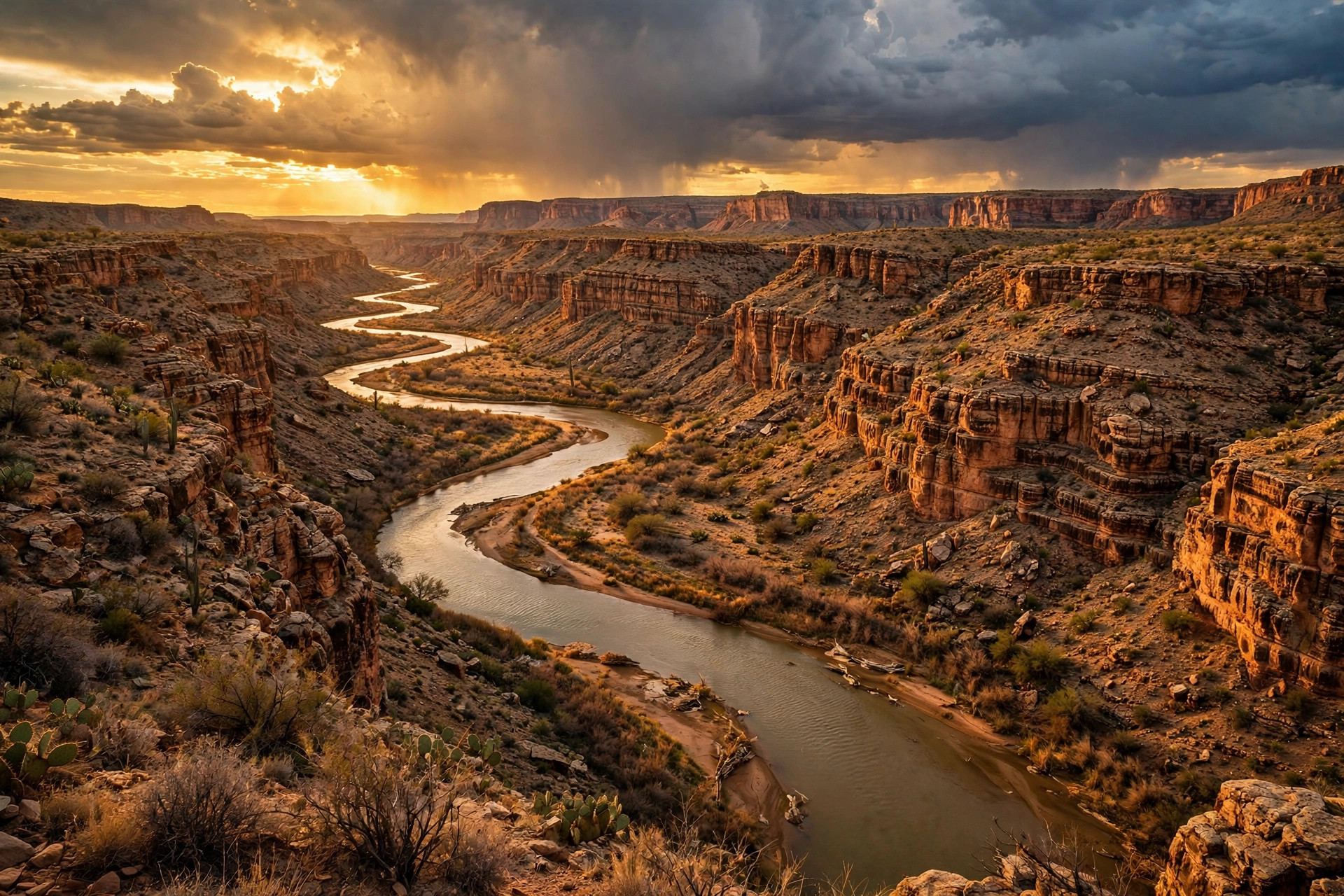
AUSTIN — The U.S. Supreme Court on Monday gave the Trump administration the green light to resume building border barriers across the Big Bend region of West Texas, granting an emergency request to lift a federal judge's order that had halted the work while a lawsuit against the project plays out. The plans cover hundreds of miles of barrier and security infrastructure in a remote stretch of border that includes Big Bend National Park, about 250 miles southeast of El Paso, and have drawn bipartisan criticism in Texas over what construction would do to the park's canyons, desert landscape and wildlife.

The legal fight is over waivers. Homeland Security Secretary Markwayne Mullin and his predecessor Kristi Noem issued waivers between February and July that set aside environmental and conservation laws — among them, the challengers say, the Endangered Species Act, the National Wild and Scenic Rivers Act and the National Park Service Organic Act — to expedite roads and barriers, finding the region an 'area of high illegal entry' under a 1996 federal law. U.S. District Judge Kathleen Cardone in El Paso blocked the project in October, ruling the waivers lacked clear congressional authorization under the major questions doctrine and noting that Big Bend has, by far, the lowest rate of migrant apprehensions along the entire border. 'If the Big Bend Sector is an area of high illegal entry, so is every other sector,' she wrote. The Justice Department answered that the waiver authority is 'a crystal-clear, indisputably valid express delegation from Congress.'
In its five-page order, the Supreme Court said the district judge did not have the authority to weigh in and that the injunction impedes the government's compelling interests in border security. Justice Ketanji Brown Jackson was the only justice to publicly dissent. The administration says most construction across the Big Bend sector, spanning more than 300 miles, will take place on privately owned land, and that the national park itself would get a 17-mile noncontiguous vehicle barrier system rather than the 30-foot pedestrian barriers slated for other areas. Crews had begun clearing land in the park in August before the administration paused the work amid protests.
What Monday's order is — and is not — matters for what happens next on the ground. It is an emergency stay, not a final ruling on whether the waivers are lawful, and the lawsuit brought by the Center for Biological Diversity, a Big Bend-area river guide and the group working to preserve the historic adobe church at Ruidosa continues in district court. The Center said the ruling also opens the way for construction in Big Bend Ranch State Park. For North Texas readers, the decision lands in the middle of the state's other border fight this week: the same Monday, lawmakers in Austin began filing bills for the 90th Legislature, where border and immigration enforcement are again near the top of the pile.