Texas Bill Filing Opens Monday: The 90th Legislature Starts Taking Shape Under a Divided Capitol
Sitting lawmakers could begin filing bills at 8 a.m. Monday for a session unlike any in two decades — a Democratic House and governor-elect, a Republican Senate, and a first-day record of roughly 1,500 filings from 2024 waiting to be chased.
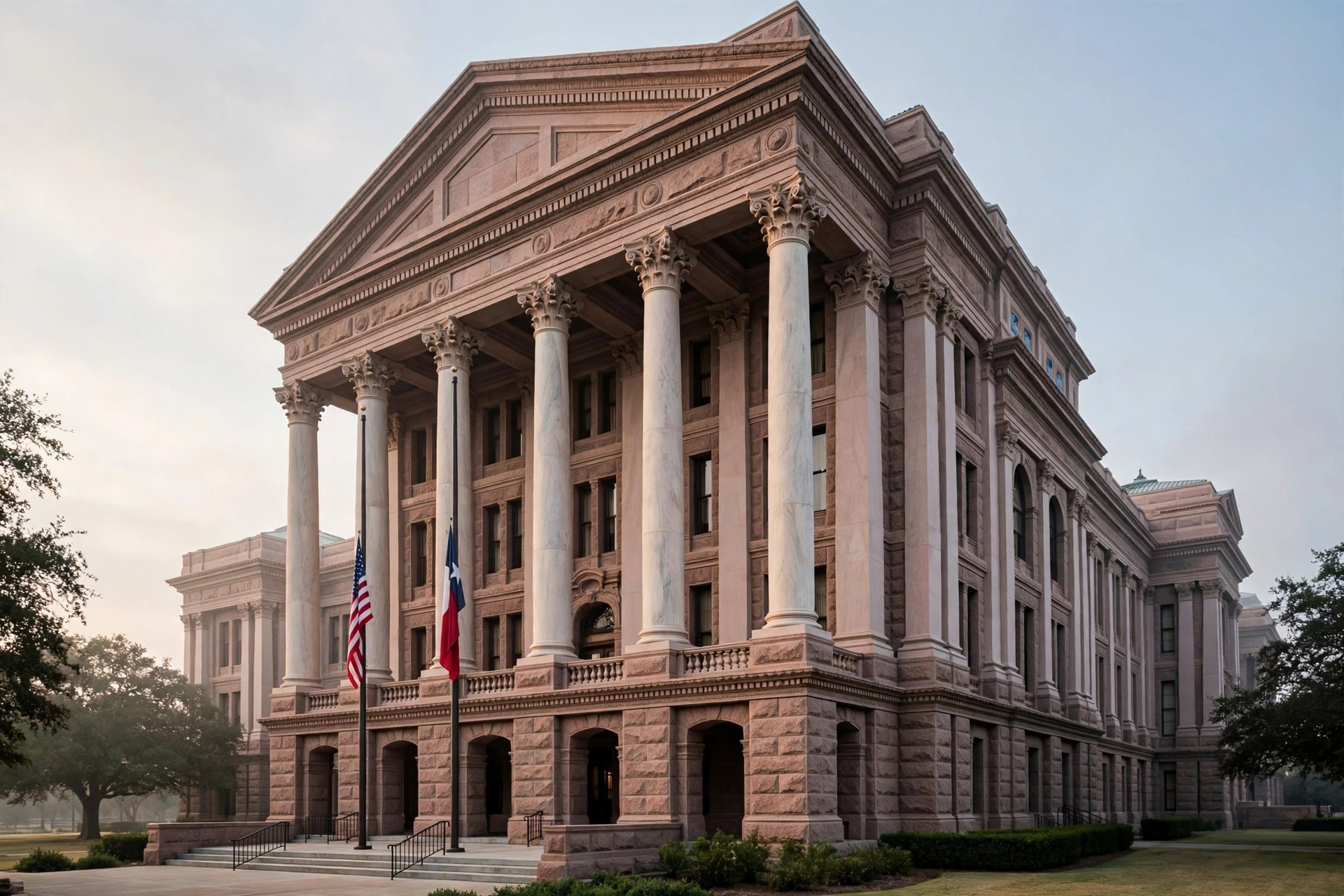
AUSTIN — The next Texas government started arriving on paper Monday morning. Sitting legislators could begin filing bills for the 90th Legislature at 8 a.m., opening the prefiling season for a session that will look different from any in the past two decades: Democrats flipped the Texas House on Election Day, taking the chamber for the first time since Republicans won it after the 2002 election, and Governor-elect Gina Hinojosa defeated Gov. Greg Abbott while Vikki Goodwin unseated Lt. Gov. Dan Patrick.

It is a divided Capitol, not a swept one. Republicans held the Senate 19-12, which ended the Republican trifecta without handing Democrats one of their own — any major legislation will have to clear a Republican-led upper chamber. Members elected last week cannot file until they are sworn in on Jan. 12, when the regular session begins, and most bills can be filed until the 60th day of the session. The volume is its own story: in 2025 the Legislature filed 8,719 bills and passed 1,213, and in 2024 lawmakers filed roughly 1,500 bills on the first day of prefiling alone, a record. "I would hope that elected leaders from both parties don't get in the way of the progress we can make together to deliver for working people," Hinojosa said, in the statement carried in Monday's coverage. "That is our obligation as leaders in this state."
For Dallas–Fort Worth, the early filings are the tell. The issues already building before the election — property tax relief, protections for residents who live near data centers, water policy, and a revived THC ban effort that Abbott vetoed last session — all land directly on Metroplex households, suburbs and school districts. Early filings signal priorities rather than outcomes, and most bills filed in any session never reach the governor's desk; the speaker's race and committee assignments in the new Democratic House will decide which of them ever get a hearing.