After the Midterm Drubbing, Trump Weighs His Next Move in the Iran War He Says He Would Launch Again
President Donald Trump agreed this week that the eight-month war with Iran helped sink Republicans at the midterms — and, in the same breath, said he would launch it again. With the election behind him, the Associated Press reports, he is weighing whether to resume full-scale bombing, keep squeezing Tehran economically, or cut a deal.
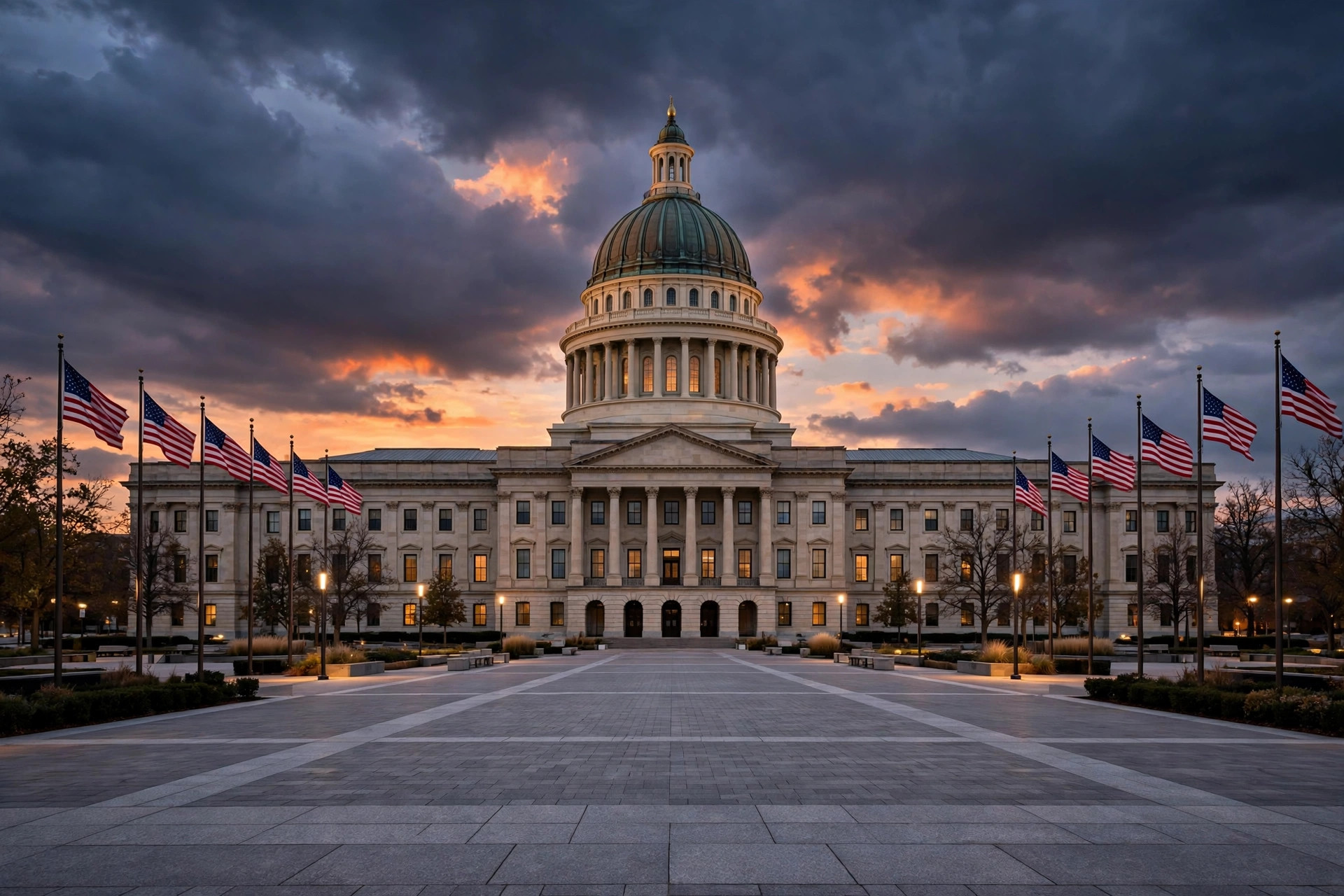
WASHINGTON — As he takes stock of his party's midterm drubbing, President Donald Trump faces the question that hung over the whole campaign: what to do about his unpopular eight-month-old war against Iran. For weeks, the Associated Press reports, Trump has threatened to return to a full-scale bombardment of Iran once the U.S. elections were in the rearview mirror, if Tehran did not come to a settlement under terms acceptable to him.
In his first comments on Wednesday after the Democrats' resounding victory — a wave powered in part by the electorate's dissatisfaction with the war — Trump largely agreed with Vice President JD Vance, who had publicly called the war a catastrophe for Republicans. 'It's largely true because it drove gasoline up a little bit,' Trump said. Still, he doubled down on launching the conflict despite its political cost: 'At the same time, if I had to do it again, I'd do it again.' And in an Oval Office exchange on Thursday, he suggested the losses are not weighing on his calculations: 'If we have to do the rest of the Iran thing, we're very much locked in.'
Analysts quoted by AP see three broad paths: hold roughly the current posture of defensive strikes and naval blockade; a single deep strike on the Pickaxe Mountain facility linked to Iran's nuclear program, as former assistant secretary of state David Schenker described; or a negotiated agreement. 'There's reason to suspect that Trump may feel less restrained given that the political damage is done,' said Brian Haggerty, a former senior CIA analyst now with Defense Priorities. Axios reported that Trump met his national security advisers on Thursday for the first time since the election; U.S. Central Command is finalizing preparations for a possible resumption of major operations but has received no new directive, and Iran's Mohsen Rezaei said the Strait of Hormuz stays closed and talks stay off until Washington meets Tehran's seven conditions. Brent crude, meanwhile, tumbled below $95 on Wednesday to its lowest in two months — the market's own signal, for now, that it does not expect major strikes. For Texas, the decision lands on gasoline prices and Gulf energy first, which is why this desk leads the national file with it.